

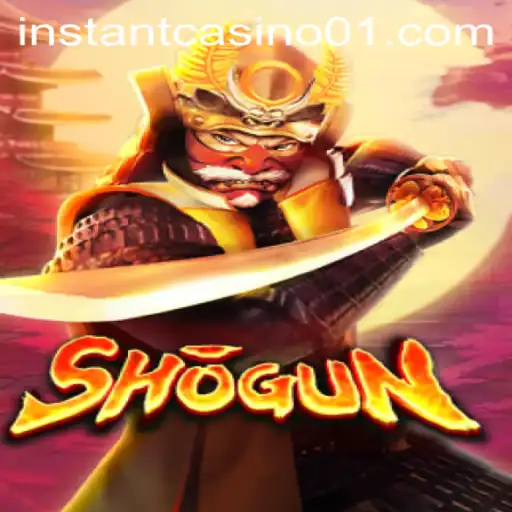
Shogun: A Strategic Masterpiece in the World of Arsenal RPGs
In the dynamic landscape of gaming, where innovation and creativity intertwine, the game 'Shogun' emerges as a captivating blend of historical strategy and role-playing elements. As an integral part of the quickly evolving arsenal RPG genre, Shogun offers players a unique experience enveloped in the rich tapestry of feudal Japan, where strategic minds and tactical prowess reign supreme.
Introduction to Shogun
Shogun transports players back to an era of samurai, swordplay, and shifting alliances. Set against the backdrop of feudal Japan, it challenges players to navigate the complexities of warfare, diplomacy, and resource management. The game appeals to both history enthusiasts and RPG fans, as it leverages the allure of ancient Japan while incorporating the progressive dynamics of modern gameplay.
At its core, Shogun is about the balance of power. Players assume the roles of ambitious warlords—seeking to usurp the ultimate title of Shogun in a region torn by conflict and strife. As a key innovation, Shogun introduces players to a wide array of arsenals, enhancing the traditional gameplay with weapons and tools inspired by Japanese lore and imagination, while integrating contemporary RPG mechanics.
Game Description and Features
Shogun integrates a lush open-world environment where the elements of strategy and RPG intermingle seamlessly. Visually stunning, the game world is rendered with meticulous attention to detail, bringing the cultural and geographical diversity of Japan to life. From the bustling streets of Kyoto to the serene temples nestled in misty mountains, each location is vibrant and richly detailed, enhancing the immersive experience.
The game features a dynamic weather system and a day-night cycle, impacting gameplay strategies profoundly. As seasons change, different resources become available, and new paths open, forcing players to adapt to the ever-changing environment. The landscape isn't just a backdrop; it is an active player in the strategic maneuvers required.
One of the pillars of Shogun's gameplay is its intricate combat system. It allows players to master a variety of traditional Japanese weapons such as katanas, bows, and polearms. In addition, the integration of mystical arsenals—special weapons imbued with potent magic—adds an exciting dimension to planning and execution in battles. Each weapon has distinct advantages and disadvantages, making strategic selection crucial for success.
Rules and Strategic Elements
Success in Shogun comes from mastering its multifaceted rules and strategies. The game offers a blend of real-time and turn-based strategic elements, ensuring depth and complexity in each decision made. Players must manage their resources wisely, choosing whether to build their military might, invest in economic growth, or forge alliances through diplomacy.
Clans play a significant role in Shogun. Each clan offers unique abilities and can be recruited to strengthen the player’s arsenal. The player must carefully manage relationships with these clans as alliances may shift with changing circumstances. Achieving a balance between force and friendship becomes the undercurrent guiding every move, where betrayal or loyalty can change the course of the conflict.
Key to the arsenal RPG aspect of Shogun is the crafting system. Players have the option to forge and upgrade weapons using resources gathered across the lands. This not only enhances combat effectiveness but also provides a personalized touch to the player's approach, encouraging creativity and adaptation. Mastering the art of crafting can significantly tilt the balance of power.
Shogun in the Context of Current Events
As the world stands on the brink of transformative technologies in gaming, Shogun's release aligns with an era where culturally rich narratives are finding a prominent place in the industry. Recent trends have shown a growing interest in games that redefine roles and break traditional molds, catering to an audience that values sophistication in storytelling and depth in strategic gameplay.
The increasing development of AI and machine learning technologies has also influenced the gaming environment. For Shogun, these advancements have improved NPC interactions and AI-driven strategies, leading to more challenging and unpredictable gameplay. The game’s world reacts intelligently to player actions, enhancing realism and ensuring that no two games are ever the same.
In addition, as global conversations around cultural appreciation and accurate representation gain momentum, Shogun stands out with its dedication to authentically portraying Japanese history and culture. Whether it’s engaging in realistic sword fights or participating in ancient festivals, players experience a genuine connection to the cultural elements that have inspired the game.
Shogun exemplifies how a game can be both an art form and a learning tool, inspiring players through interactive storytelling while educating them about historical nuances. This balance ensures the game remains relevant and intriguing in an ever-evolving gaming landscape, setting a new benchmark for future arsenal RPGs.